RT Academy and RT China Hold a Series of Master Classes at Leading Chinese Universities
RT Academy, together with RT China, held a series of in-person master classes and meetings with students at some of China’s leading universities, continuing our educational outreach in journalism and media.
Tsinghua University: the start of the program
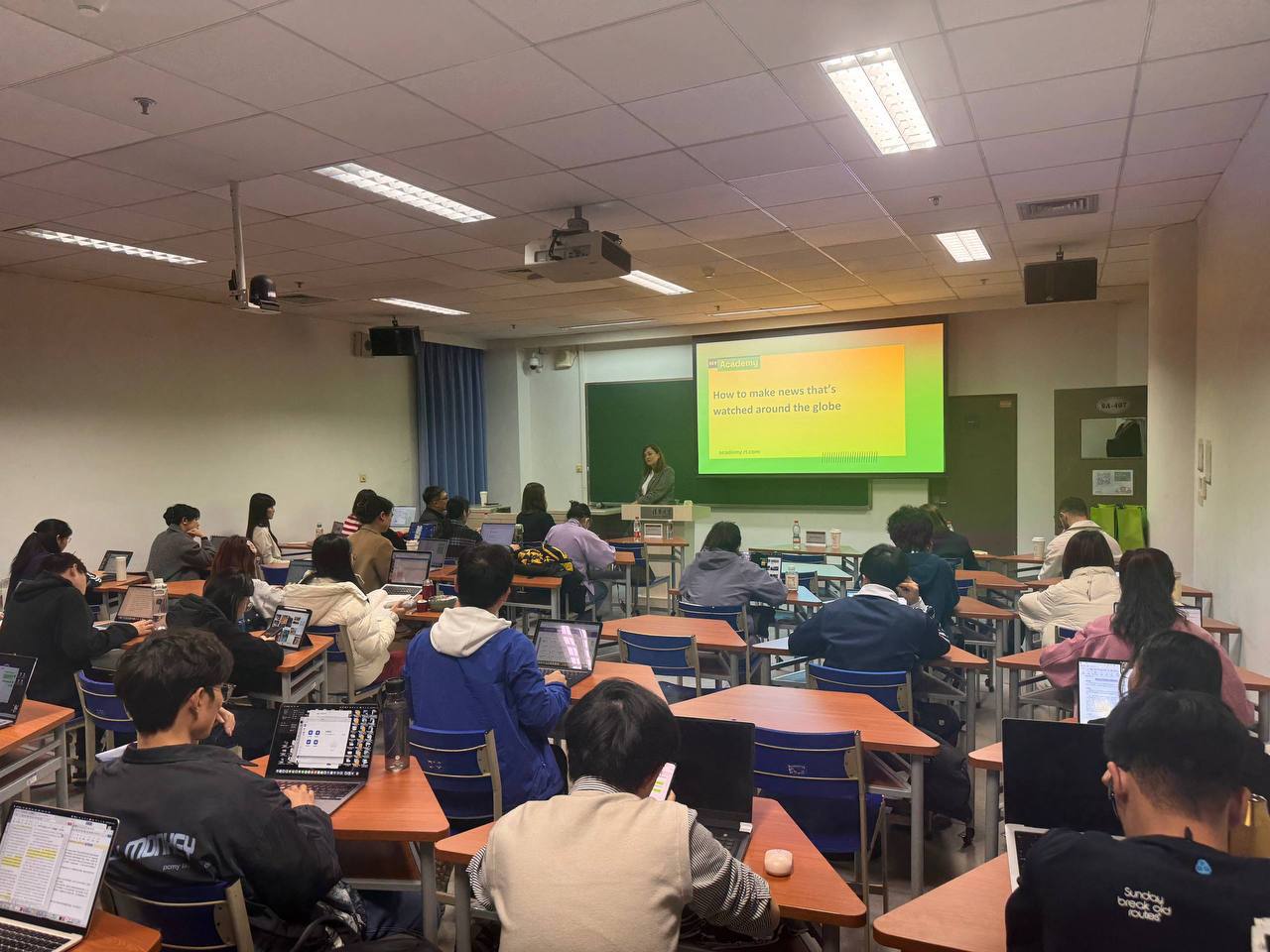
The first stop was the School of Journalism and Communication at Tsinghua University, one of China’s top universities and one of the world’s leading academic institutions. Among its graduates is Chinese President Xi Jinping.
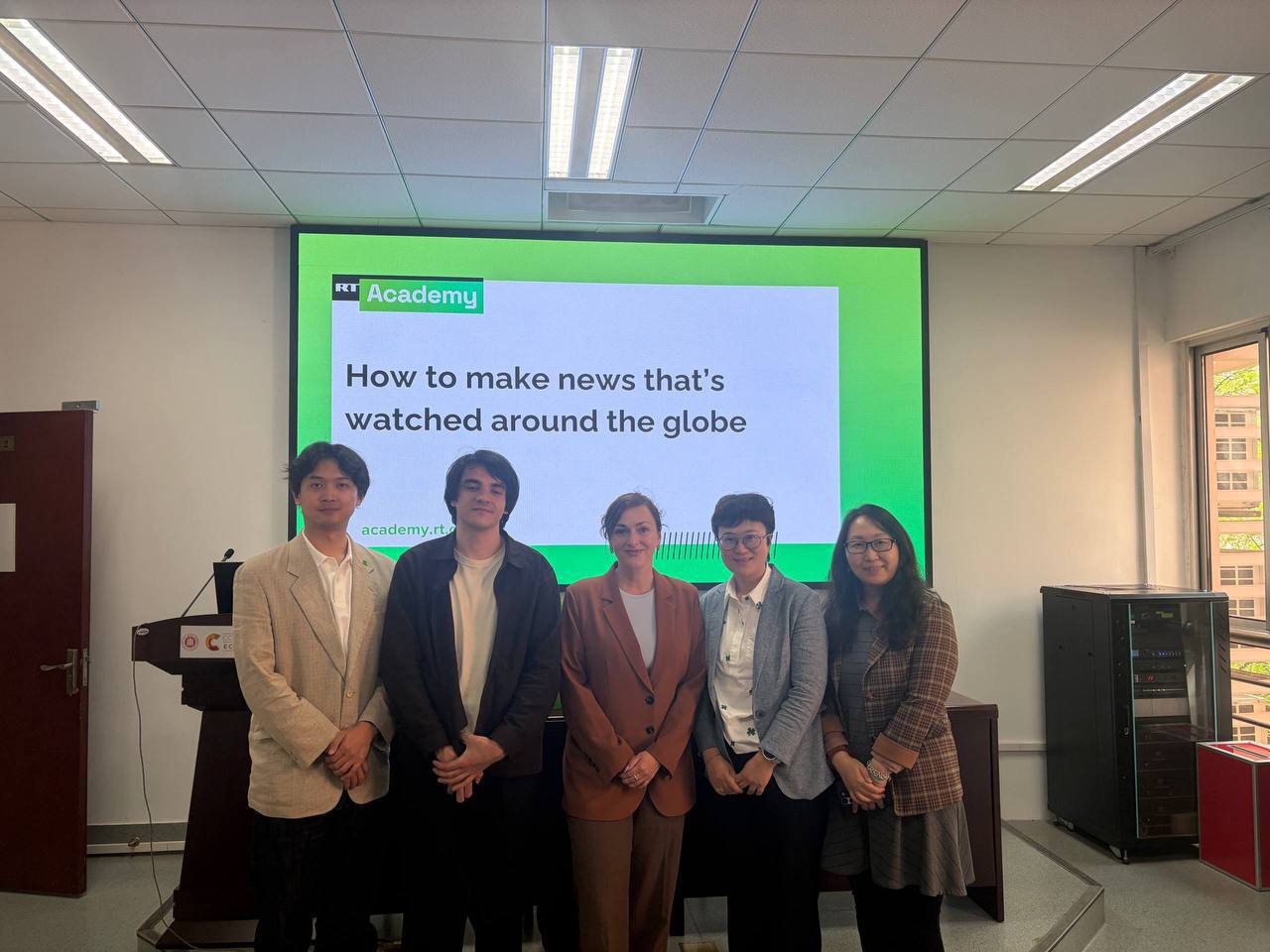
Future Chinese journalists were introduced to RT’s approach to creating news for global audiences. The students heard from Anna Kovtunova, head of RT School and RT Academy, as well as members of RT China, who detailed how international news coverage is shaped and how the newsroom works with different audiences.
The organizers stressed that such meetings help share professional expertise, and foster long-term connections with young specialists and faculty members in China’s media sphere. For those interested in China’s media environment, RT Academy has also launched the online course Journalism for Sinologists.
Peking University: communication in three languages
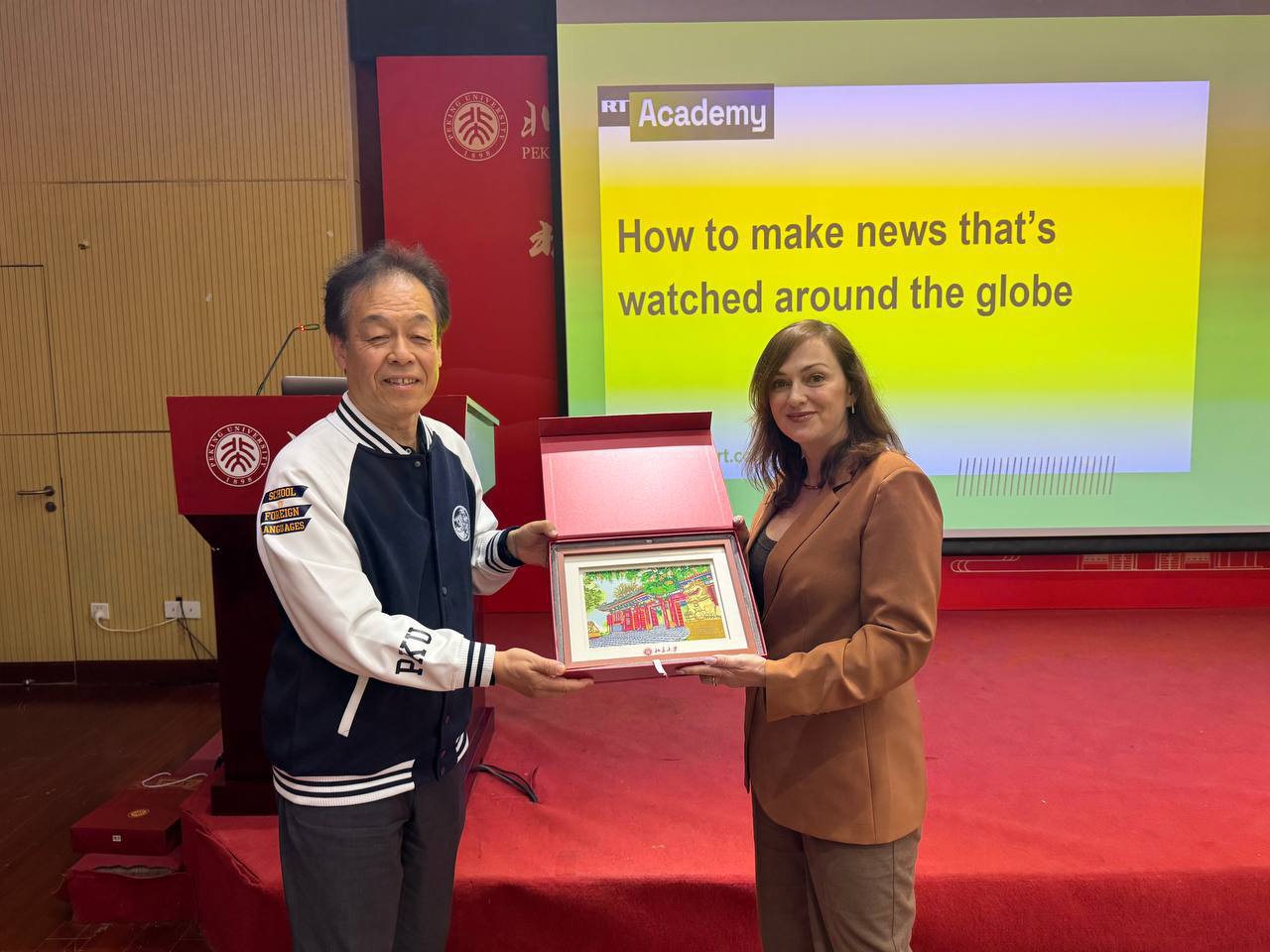
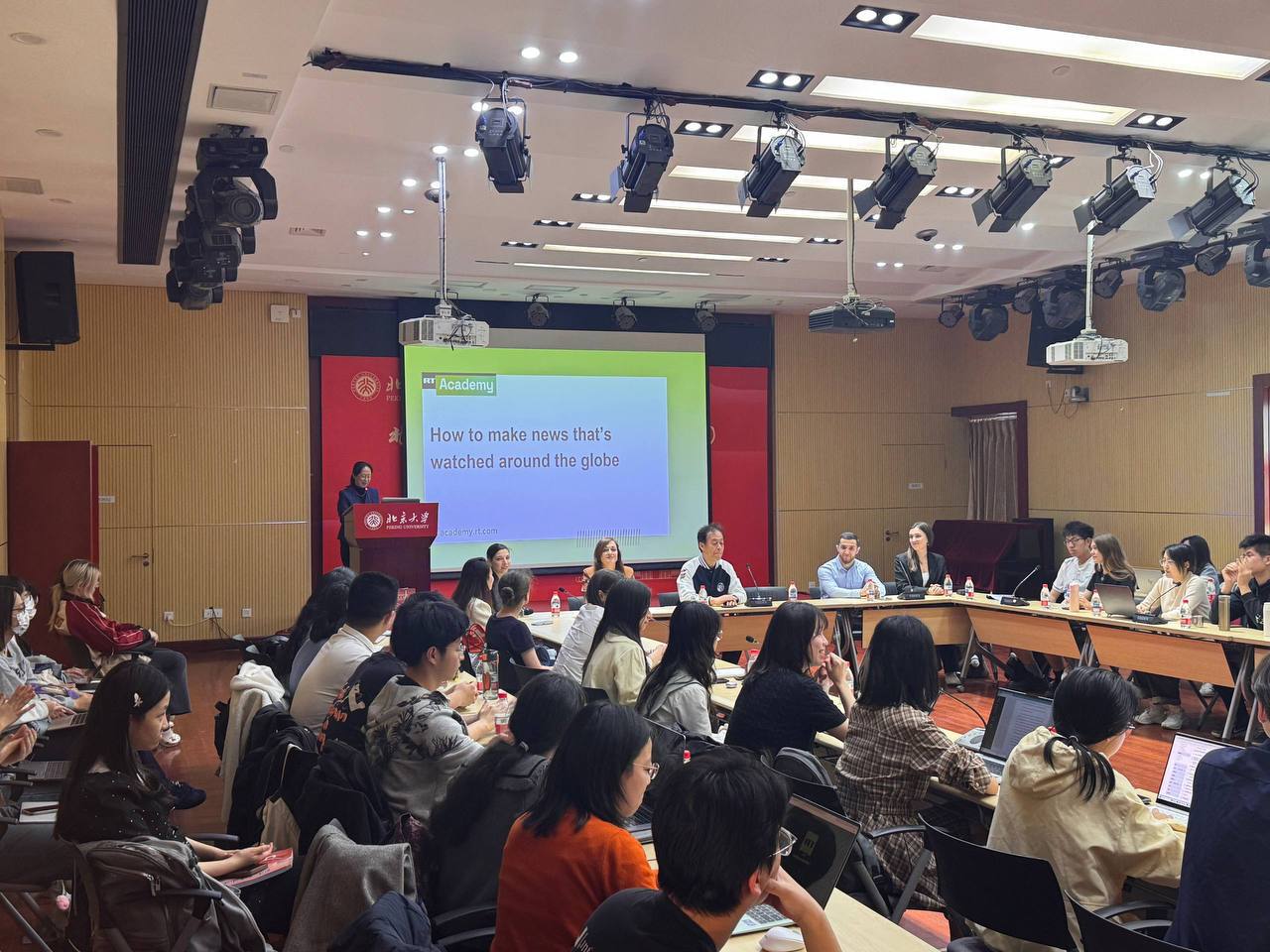
The next stop was the Faculty of Foreign Languages at Peking University, one of China’s oldest and most respected universities, with a strong tradition in international communication.
RT Academy and RT China held workshops and discussed with students the role of language skills in international journalism. Thanks to the multilingual audience, the conversation took place in Chinese, English, and Russian, highlighting the project’s cross-cultural nature and its focus on a global professional environment.
Zhejiang Communication University: news, neural networks, and the agenda
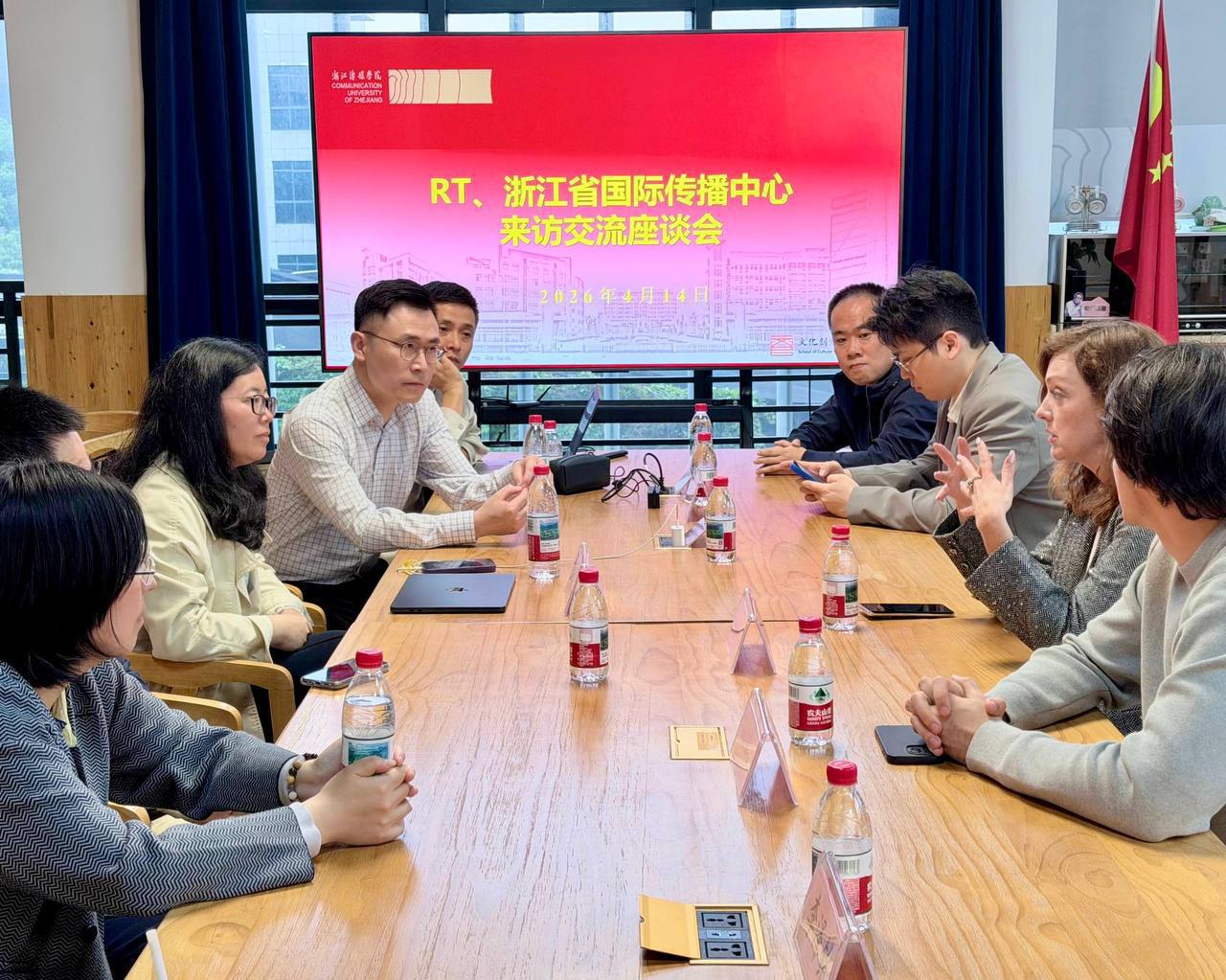
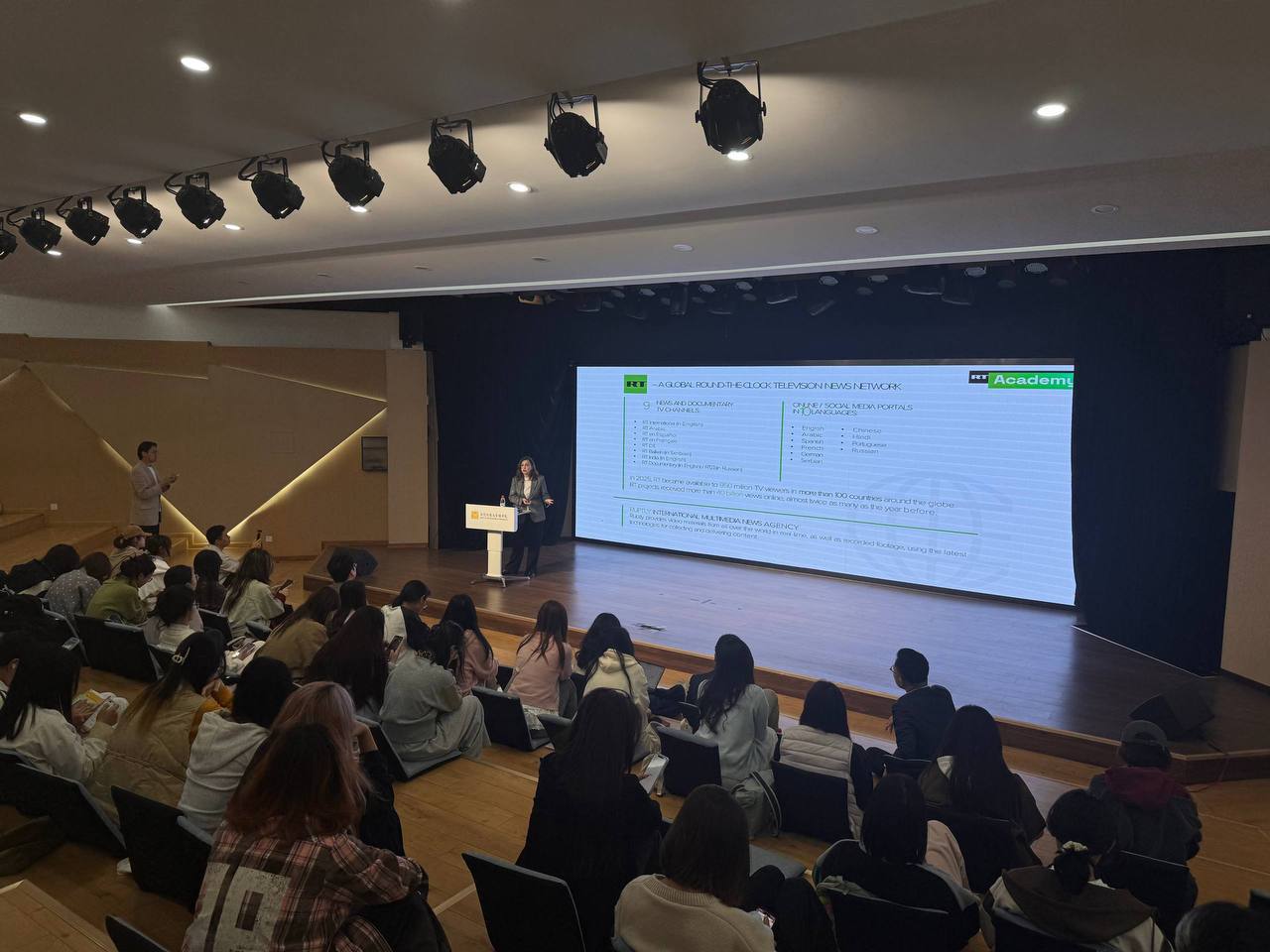
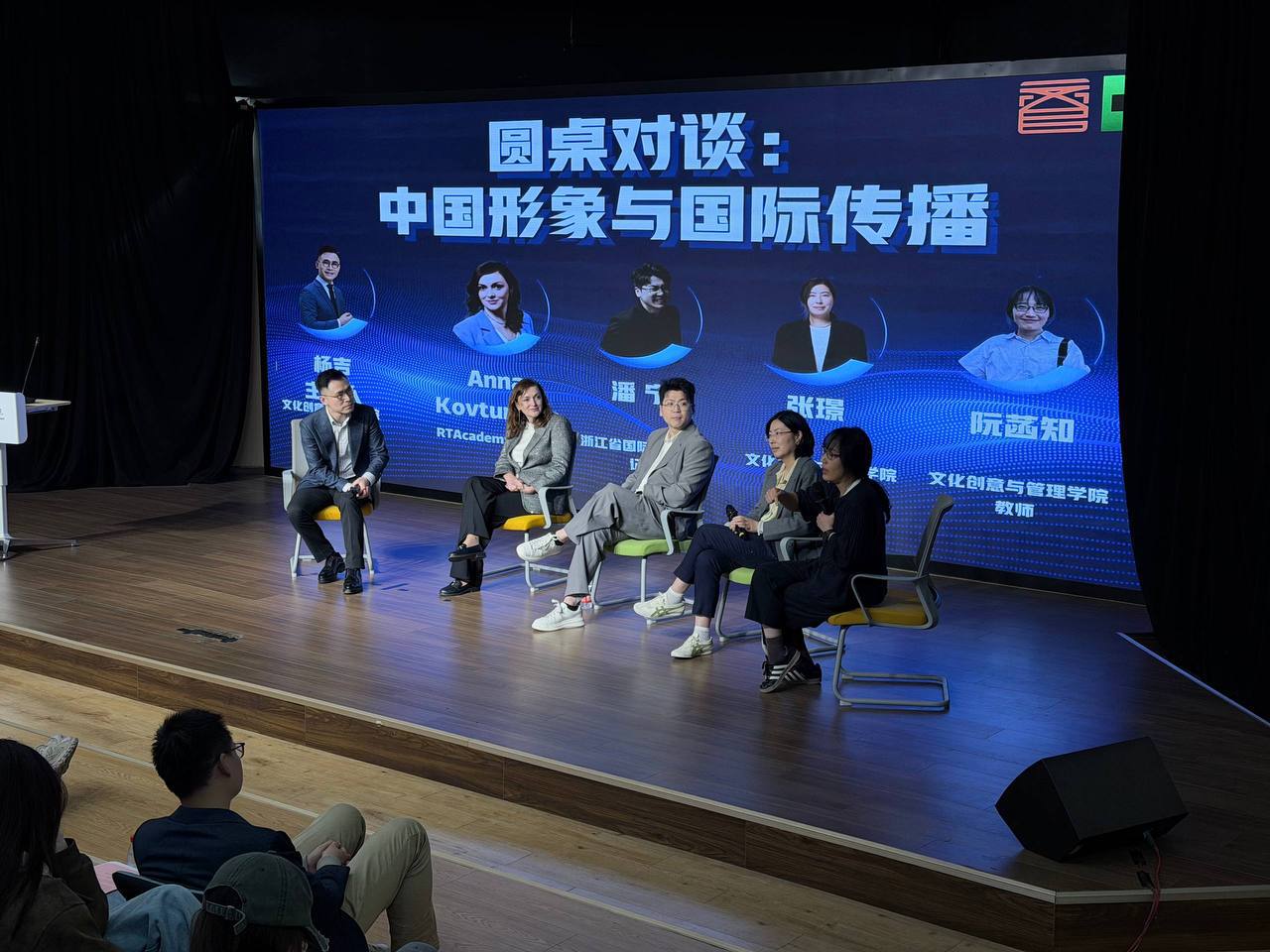
The tour continued with a lecture by RT Academy head Anna Kovtunova at Zhejiang Communication University, one of the country’s leading media universities.
The discussion focused on journalism in a multipolar world, the growing importance of international news, and the need for every country to have its own voice in the media space. A separate conversation addressed the impact of artificial intelligence on the profession: how neural networks are changing newsroom workflows and which skills are becoming essential for the next generation of journalists.
After the lecture, a panel discussion with faculty members explored propaganda, audience trust, and the line between journalism, information policy, and the promotion of a national agenda.
East China Normal University: the final stop of the China tour
The final stop of our visit was a master class at East China Normal University.
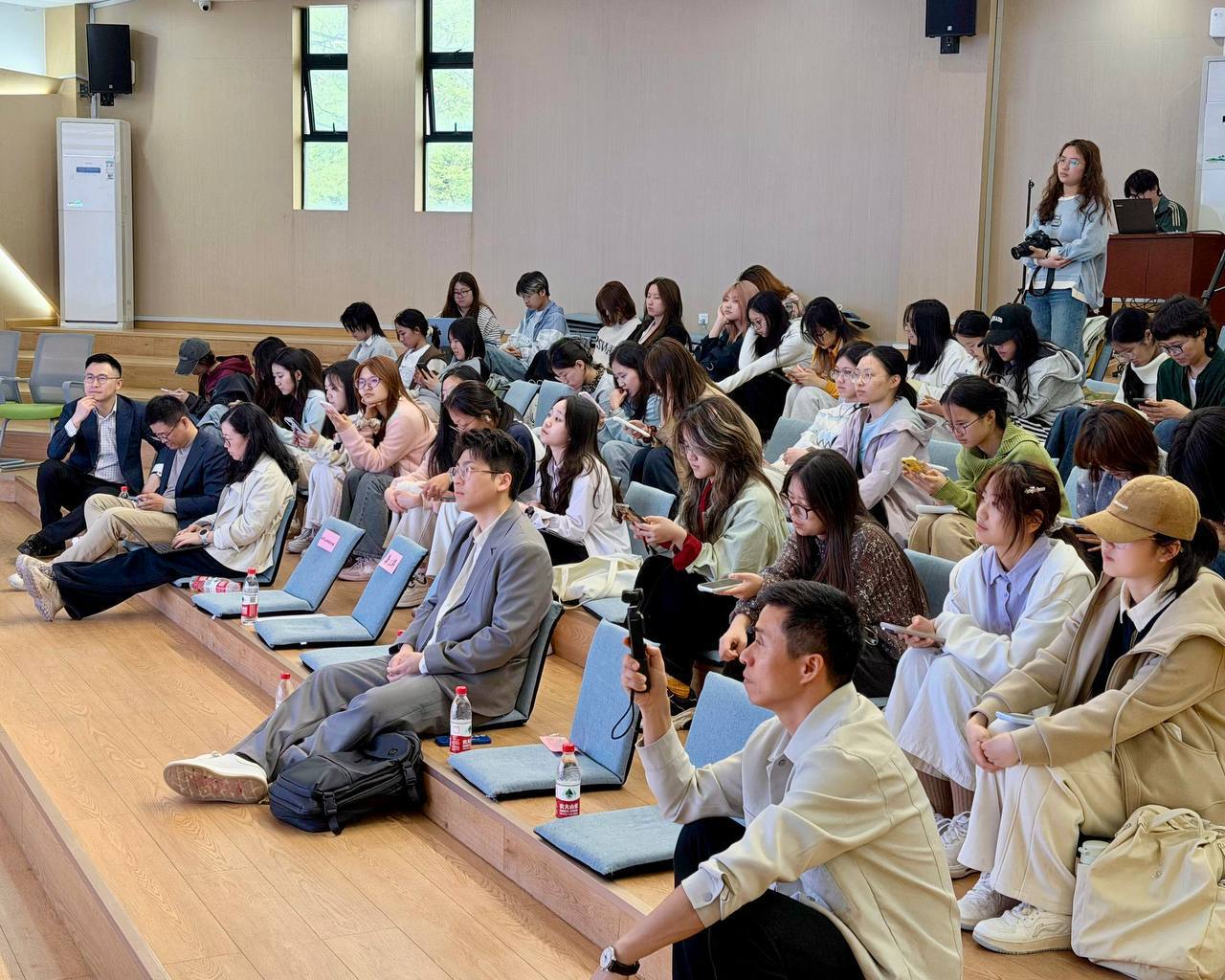
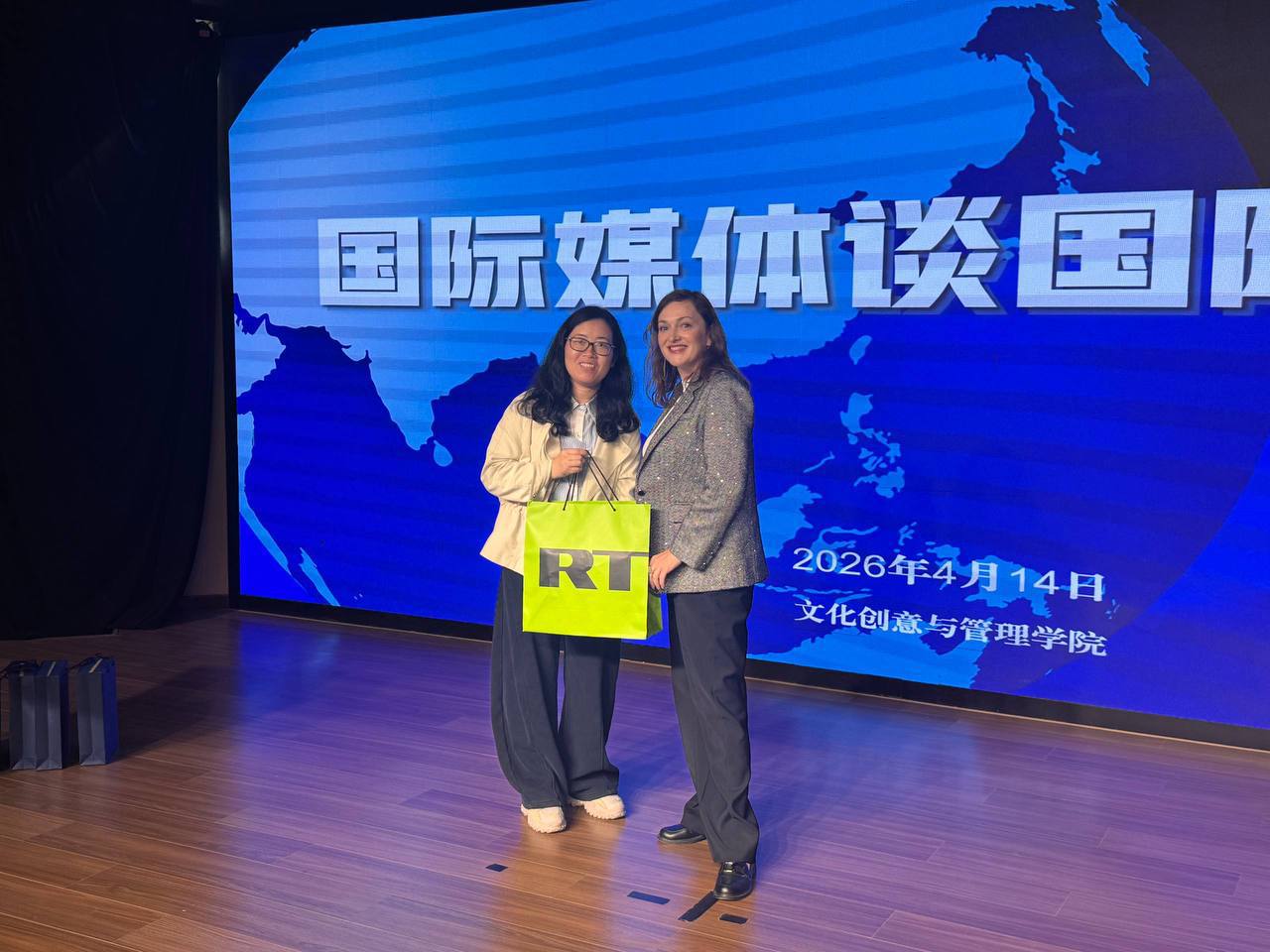
During the session, RT Academy representatives continued the discussion on modern approaches to news production, training young professionals for the media sector, and the role of international affairs in journalism education. A photo report captured the student audience's lively interest and active discussion around global media issues.